Applied AI
& Frontend
Portfolio
Generalist scientist/engineer building real-world AI systems—where messy physical reality needs to become structured, auditable evidence people can trust.
PhD Visual neuroscience · MSc Electrical Engineering
Homepages and Visual design from end of 90s
Engineering since 2003
Research since 2007
Deep learning since 2015
Startups since 2016
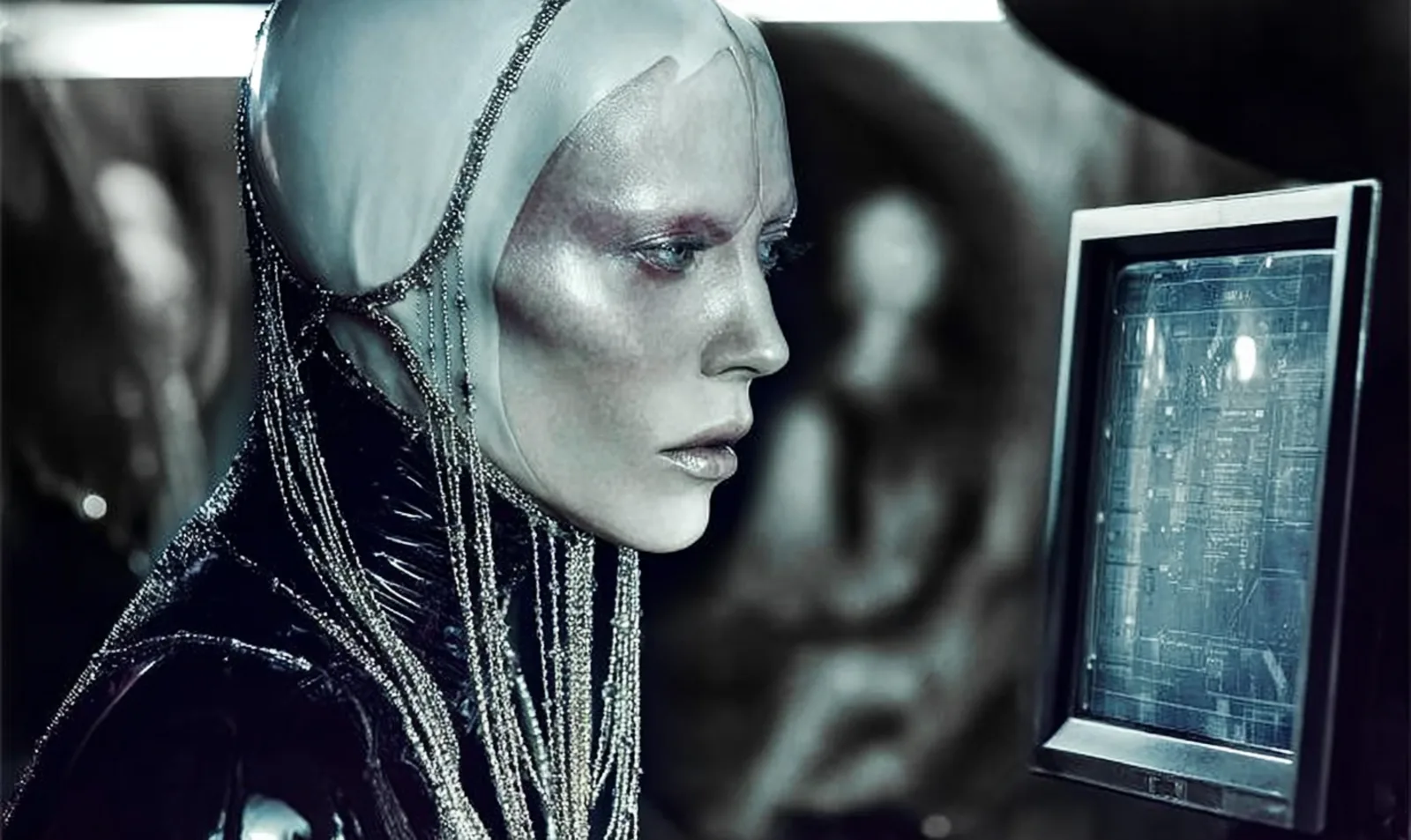
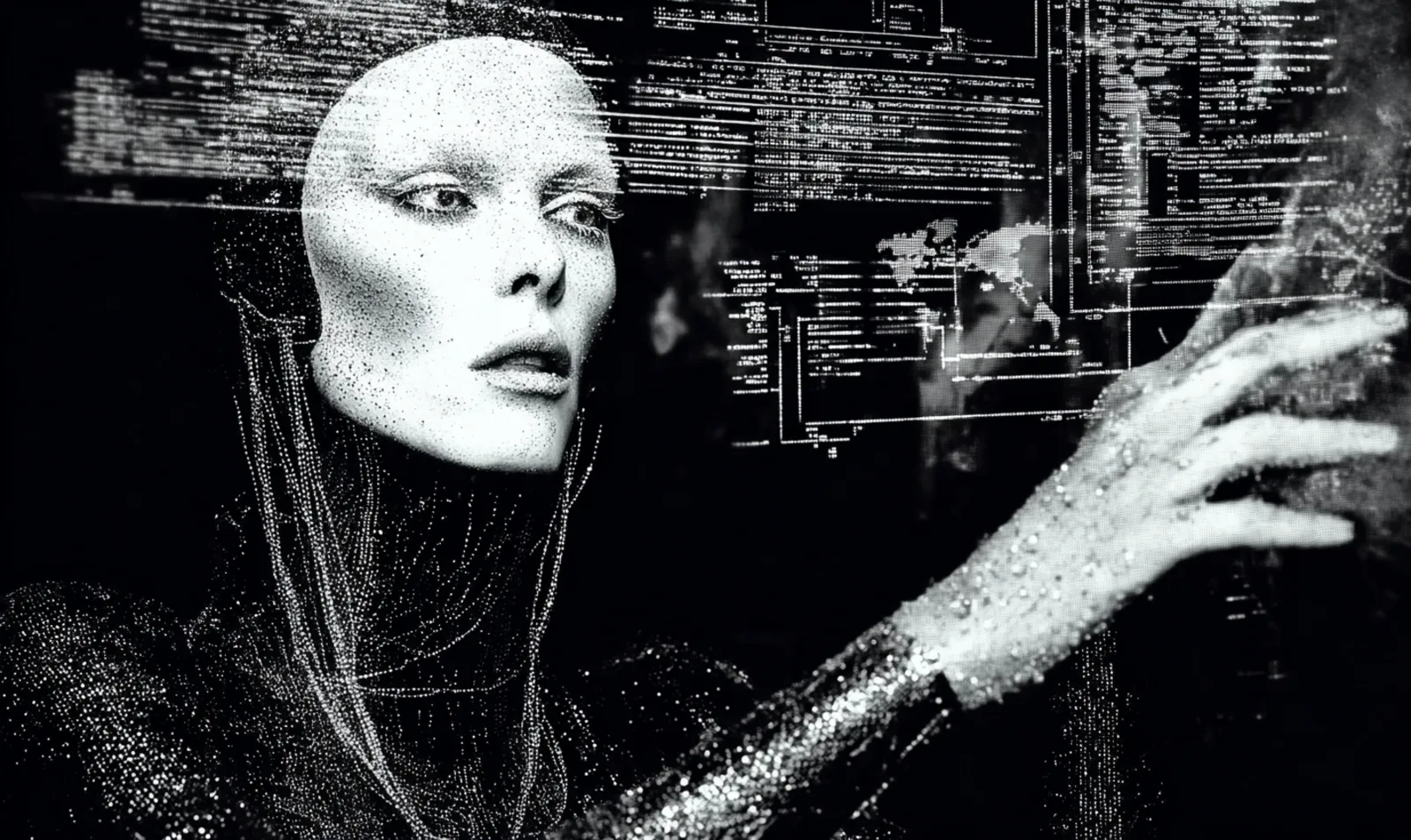
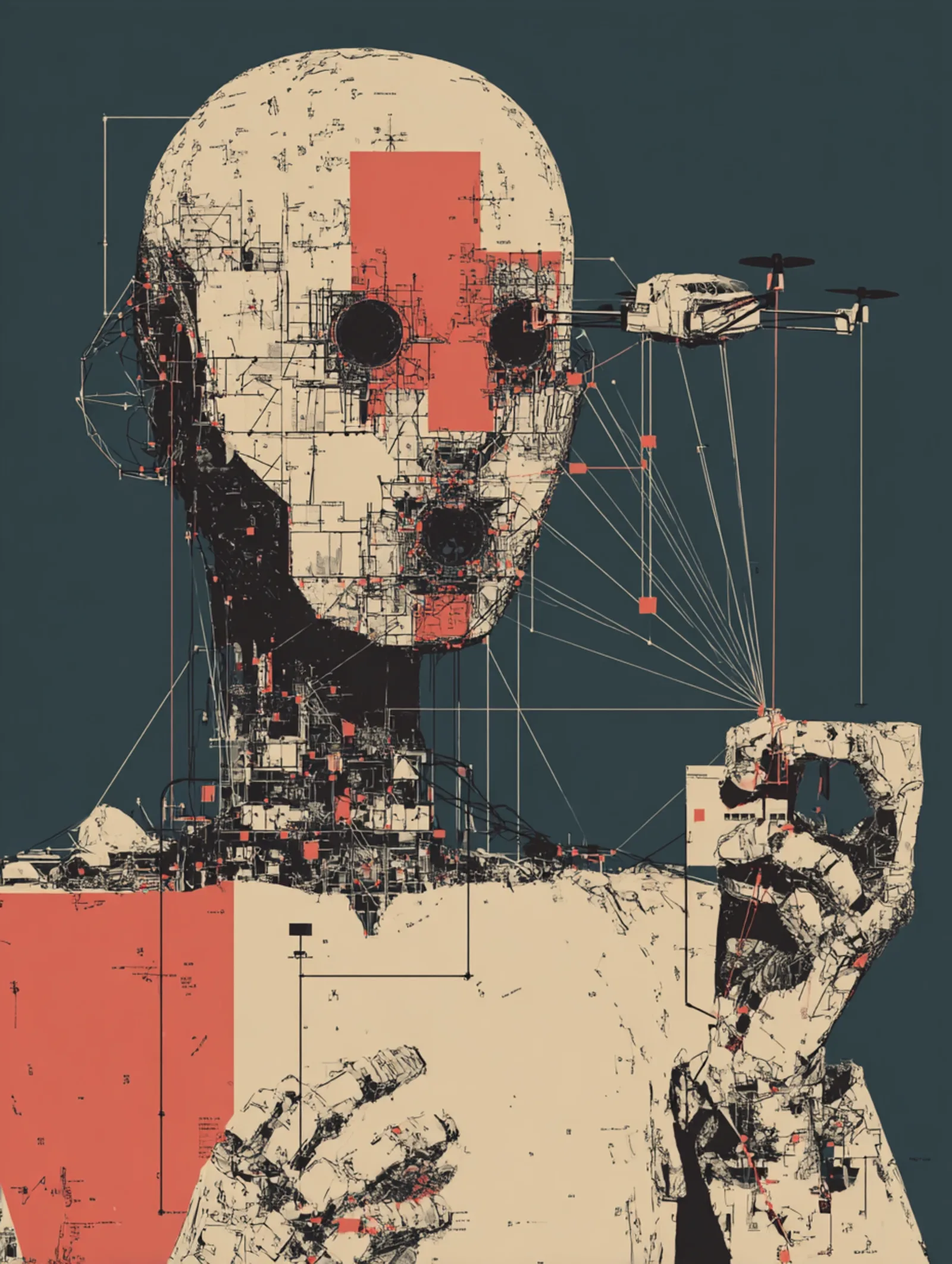
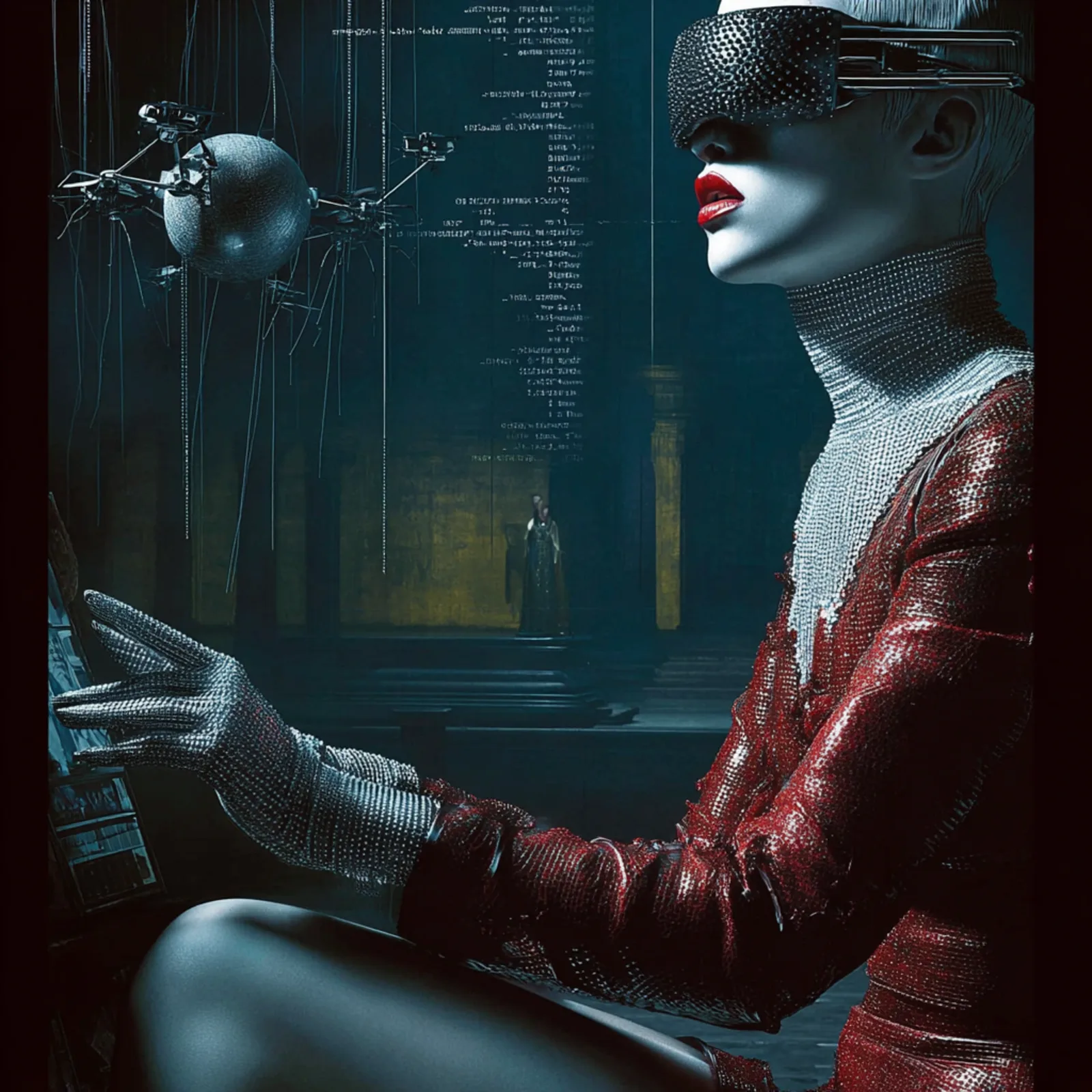
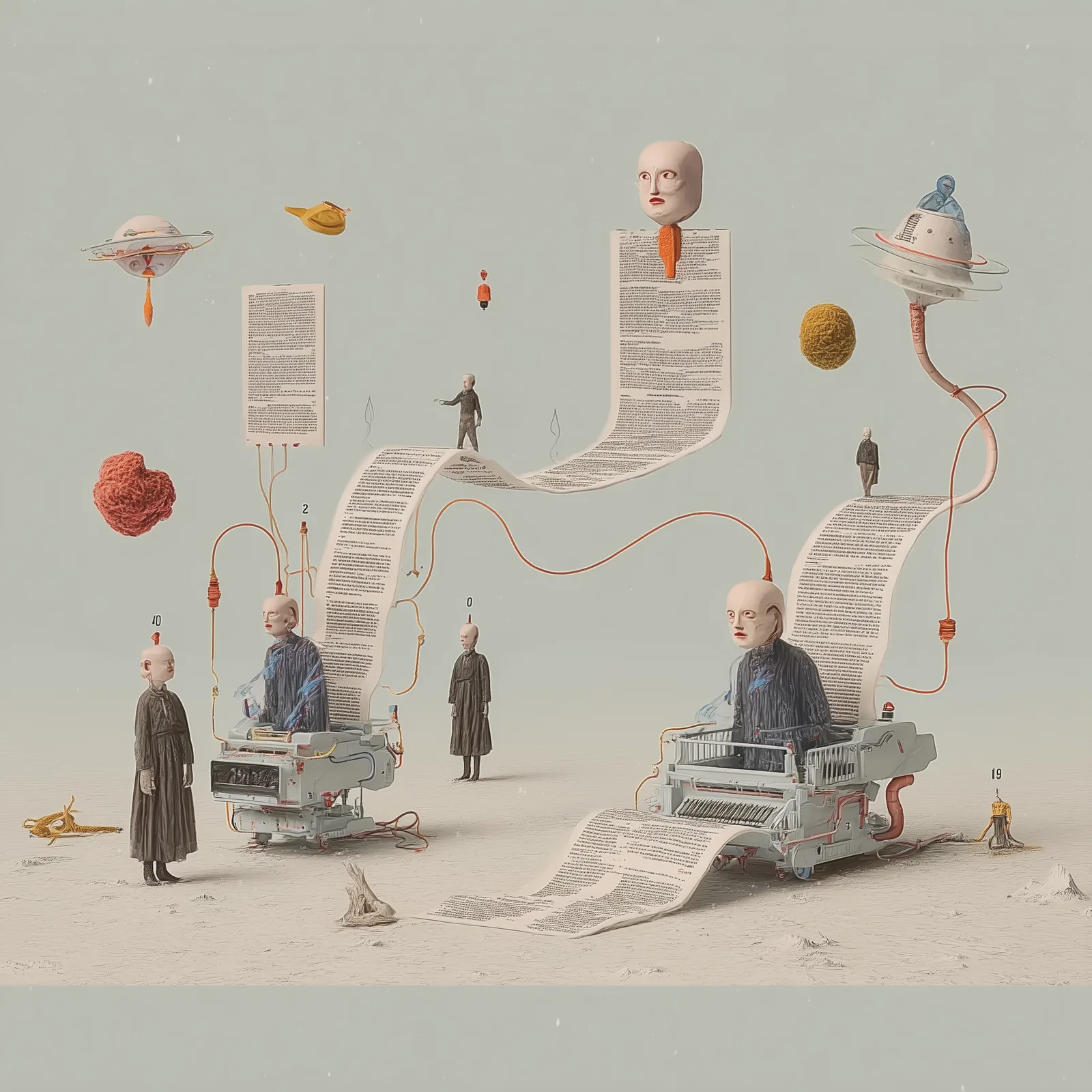
All frontend built with Claude Code. Visuals from Midjourney and Nano Banana Pro
The projects below are frontend demos built with Claude Code. The underlying engineering also includes open-source repositories with backend, ML, and infrastructure code:
- music_attribution_scaffold — Music metadata attribution. Five-stage typed pipeline, probabilistic record linkage, calibrated confidence scoring.
- minivess_mlops — Reproducible 3D vasculature segmentation. MLflow tracking, W&B sweeps, ensemble inference.
- foundation_PLR — Clinical biosignal classification. Frozen Hydra configs, MLflow+DuckDB archival, Docker, CI/CD, governance cards.
Work
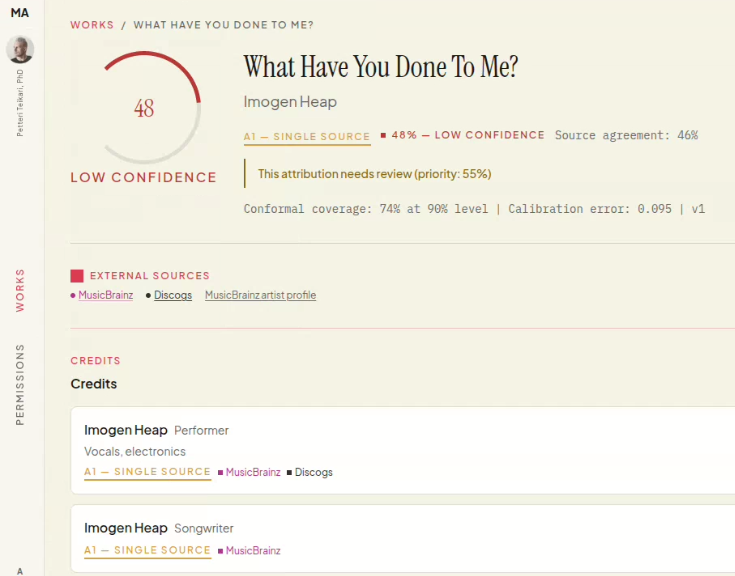
(5) projectsMusic Attribution
Transparent Confidence Scoring
Provenance DAG visualization, conformal prediction sets, permission matrix, and agent-assisted review queue.
Next.js 15 / D3 / Jotai / Tailwind v4
DPP Fashion Harmonizer
Bloomberg Terminal for Fashion Compliance
EU Digital Product Passport platform — chaos ingestion, trust engineering, and AI brand agents for the 2027 mandate.
React / Framer Motion / D3 / Video
Mill Hill Garages
Property Inspection Automation
PropTech landing for AI-powered inspections. Three-stage pipeline from 3D scanning through UAD 3.6 appraisals.
Next.js / Three.js / D3 Sankey
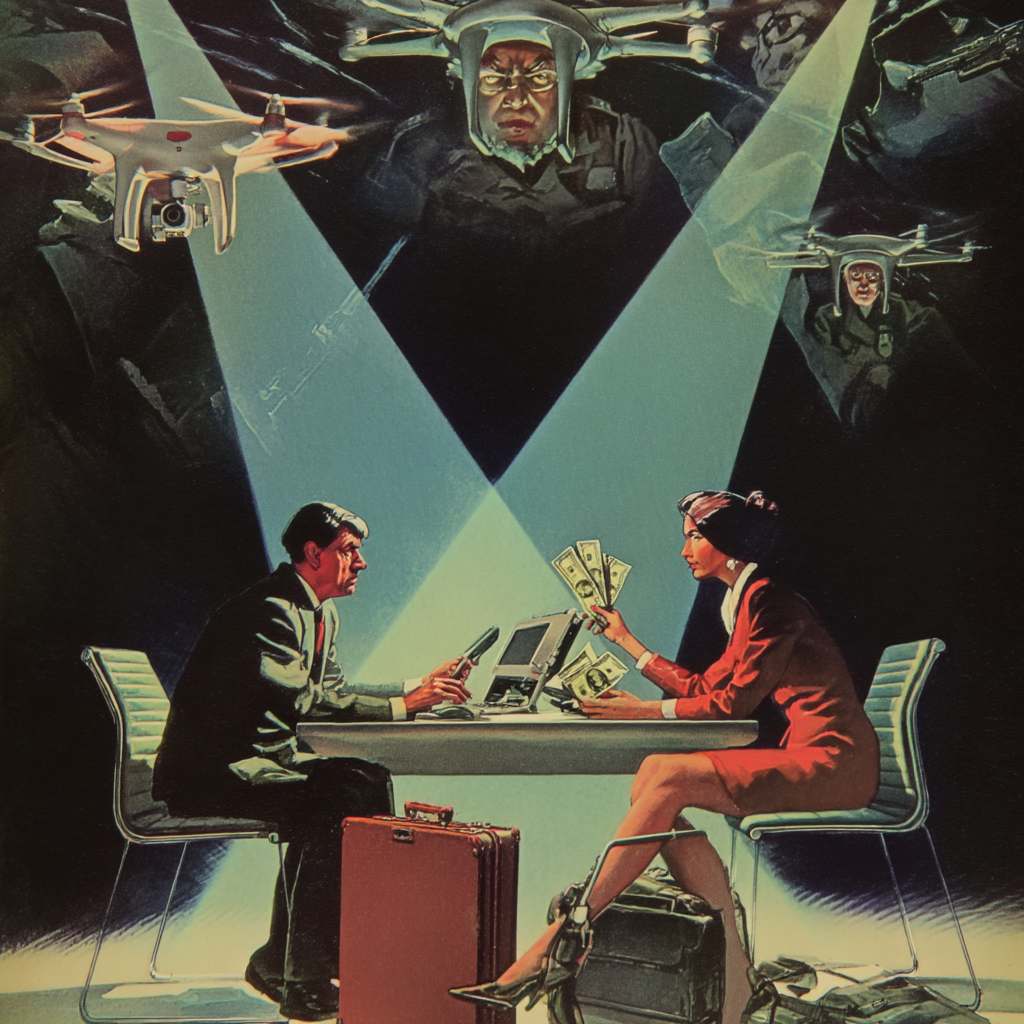
UAD Copilot
Human-in-the-Loop Appraisal
Real-time pipeline visualization, multi-source candidate comparison, and field-level confidence scoring.
React / Jotai / Tailwind
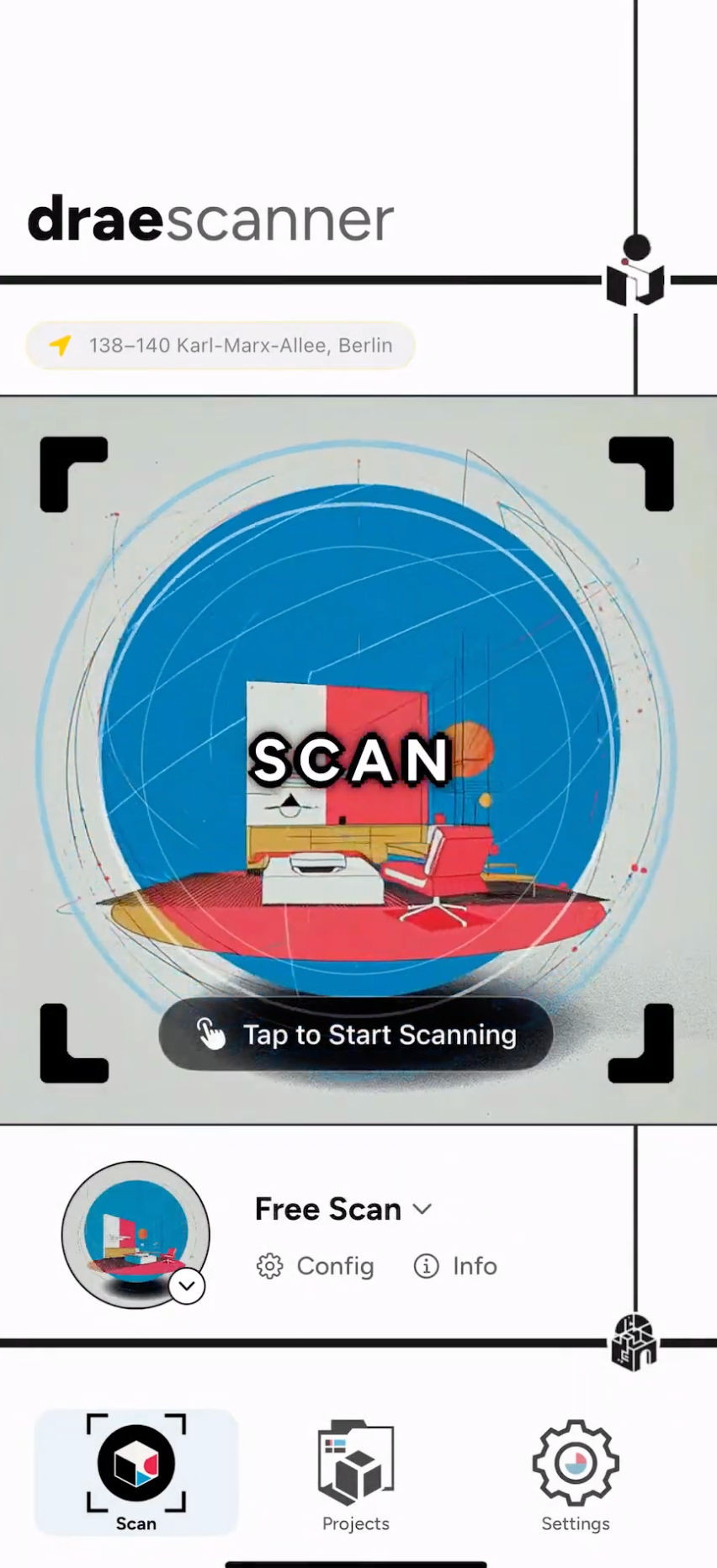
MetaScanner
Professional 3D Scanning Platform
Dual-mode LiDAR capture — consumer room reconstruction via RoomPlan and research-grade multi-sensor recording. Zero external dependencies, built entirely with Claude Code.
Swift / SwiftUI / ARKit / RoomPlan
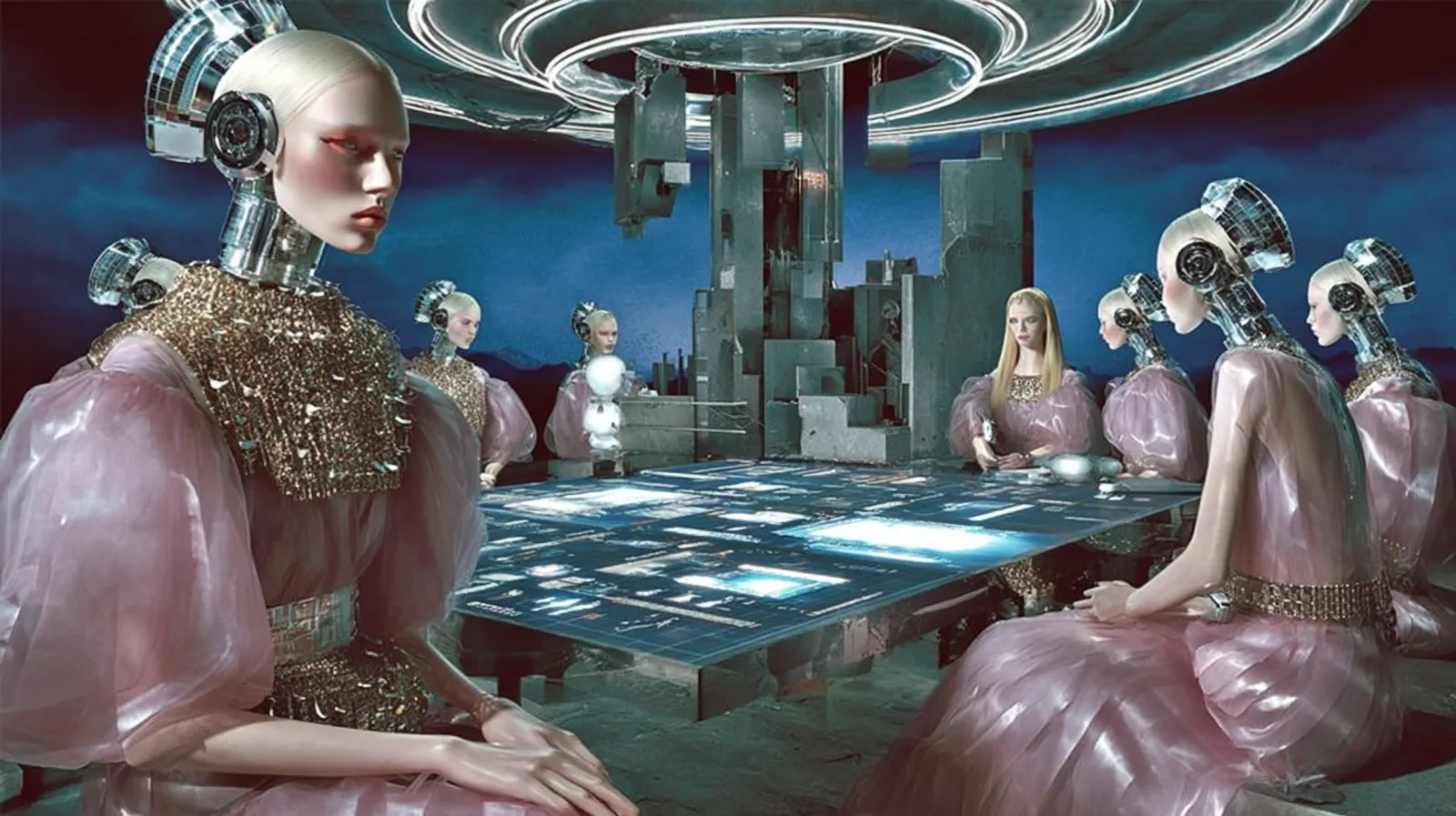
DPP Fashion Harmonizer
Brought in as fractional CTO to define architecture for an AI-powered compliance platform targeting EU DPP 2027 regulations in fashion. Building trust infrastructure where sustainability claims from fragmented supply chains need structured verification with honest uncertainty.
Multi-agent pipeline with progressive verification levels and conformal prediction for calibrated confidence. WhatsApp supplier onboarding. 2 preprints on governance framework.
LangGraph / Conformal Prediction / Multi-Agent / EU DPP 2027 / React
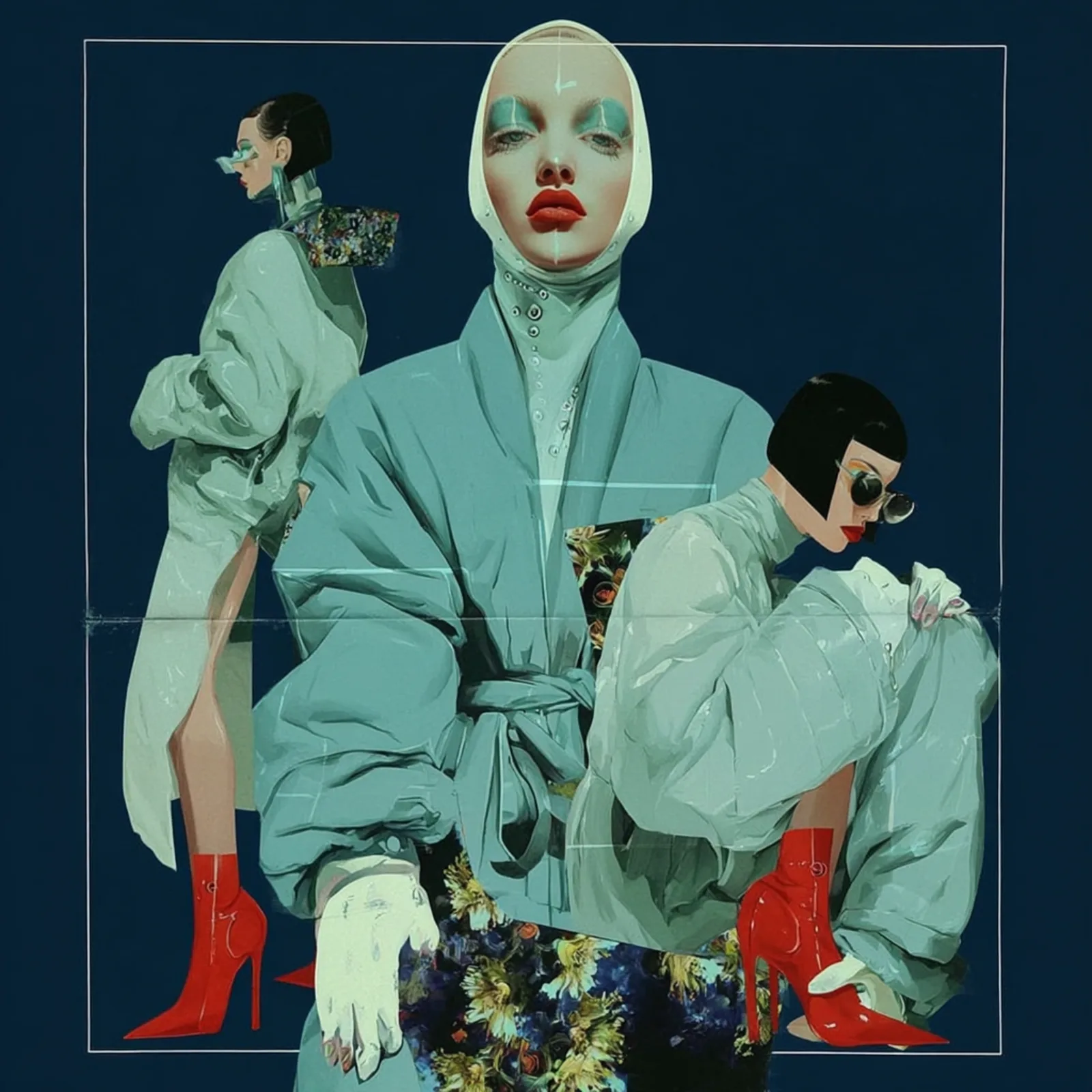
Autonomous Property Intelligence
Partnered with ex-CubiCasa CEO to build autonomous property inspection systems. Synthesised 616 research papers across 3D Gaussian Splatting, SLAM, multi-agent coordination, and scene graphs. Architected a capture-to-cloud ML pipeline for UAD 3.6 compliant valuations.
Introduced Claude Code with self-correcting TDD loops and anti-hallucination guardrails. Recruited and led a 4-person team, mentored two non-technical interns into production contributors. 2 arXiv publications.
3DGS / LangGraph / GCP Cloud Run / Pulumi / UAD 3.6 / Claude Code
Trust Infrastructure
Both roles share a common thread: building trust infrastructure where regulatory deadlines force transformation. In MHG, the constraint was UAD 3.6 property appraisal standards. In Open.Mode, EU DPP 2027. Both required multi-agent systems, human-in-the-loop verification, and structured confidence rather than false precision.
Regulated AI systems · Agentic architecture · Trust infrastructure where wrong answers have real consequences
Computer Vision: Two Parallel Tracks
Two CV lineages running in parallel since 2015—one raster-native (pixels, voxels, hyperspectral cubes) through medical imaging, the other working with non-raster 3D primitives (point clouds, gaussians, scene graphs) through PropTech and beyond.
Medical Imaging CV
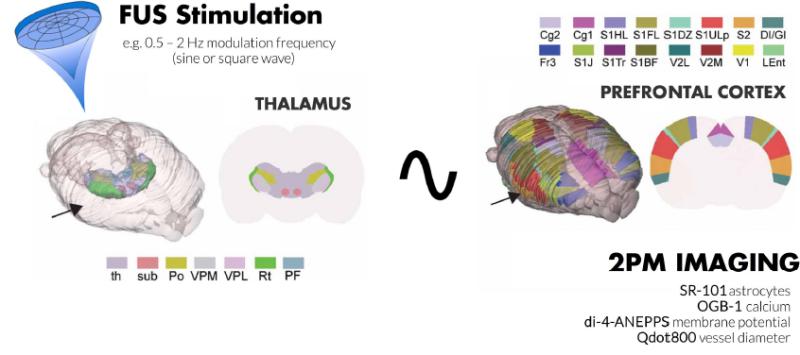
Sunnybrook CNN for rodent brain vasculature (2015)—the first deep learning paper, when TensorFlow barely existed. Then ophthalmic AI at Retinata and SERI, hyperspectral retinal imaging at RetiSpec with FDA pipeline, and minivess VLM bringing foundation models to 3D vasculature segmentation.
CNN · PyTorch · MONAI · Hyperspectral · VLM · FDA
True 3D CV
CubiCasa floor plan CV via Structure-from-Motion (2017), then Mill Hill Garages with 3D Gaussian Splatting for autonomous property inspection and a CVPR 2025 submission (2024). OPEN.MODE extending into GenAI scene graphs for fashion product visualization. Primitives evolve: point clouds to gaussians to scene graphs.
SfM · 3DGS · SLAM · Scene Graphs · ROS2 · LiDAR
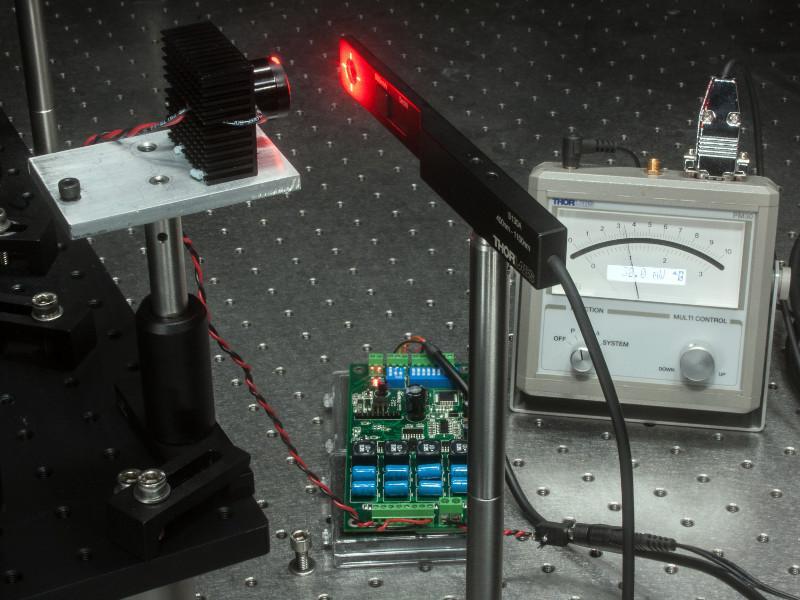
Lighting Engineering
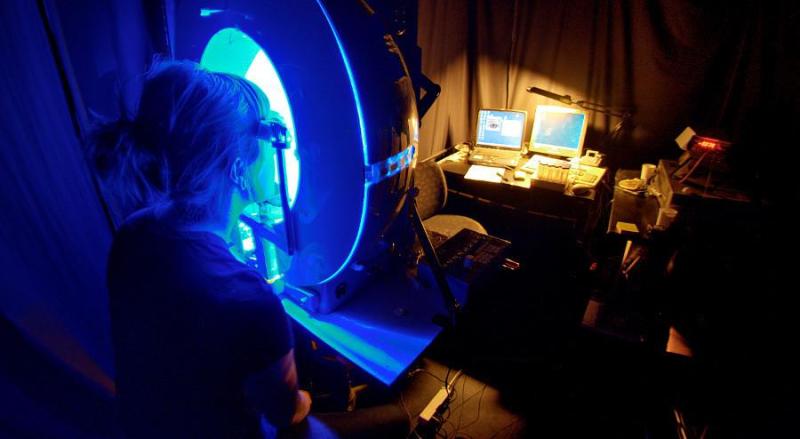
The earliest technical discipline—illumination engineering at Aalto (2003–2008), with spectroradiometry, Ulbricht sphere measurements, and photometric metrology. Not biology, not neuroscience: engineering.
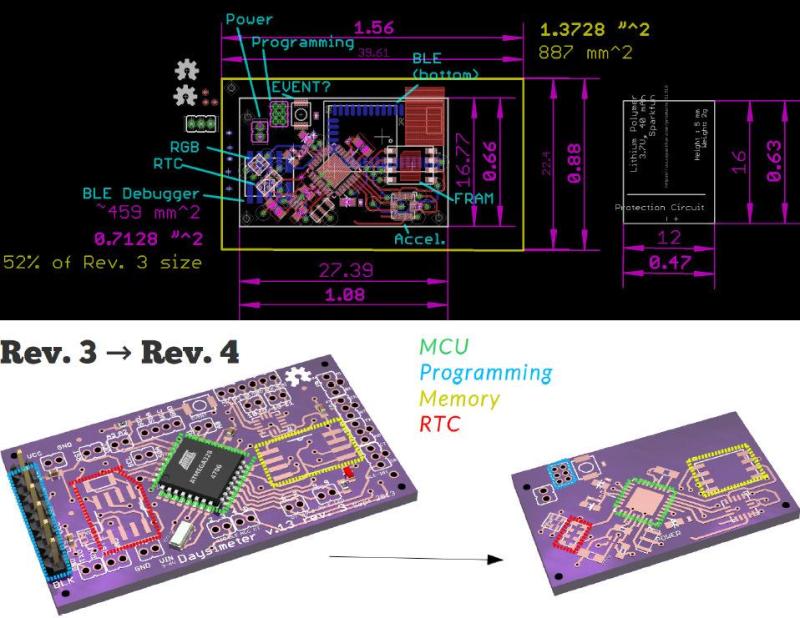
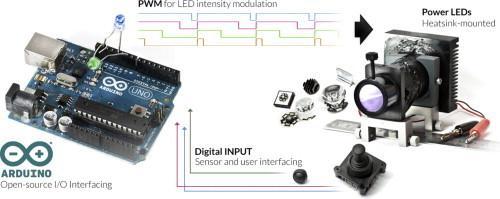
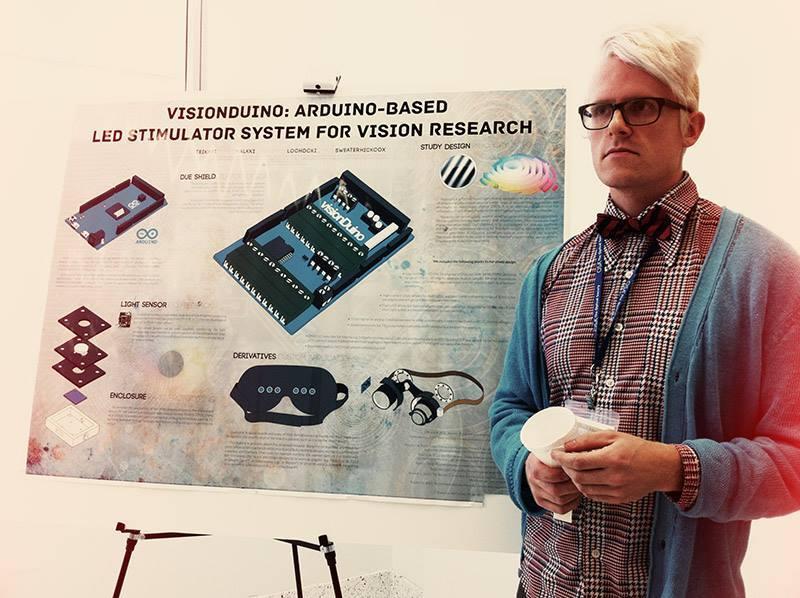
RPI Lighting Research Center (2013–2014), housed under the Architecture school in Troy, NY. LED driver design with EagleCAD PCB layout, Arduino-based open-source stimulators, and hands-on photometry lab calibration with Spectralon standards.
The engineering thread continues through underwater lighting design for fish detection at Silo AI (2021)—imaging with custom illumination—and drone illumination design for indoor property scanning at Mill Hill Garages (2024).
Connected but distinct: visual neuroscience and chronobiology run as a parallel path.
Spectroradiometry · Ulbricht Sphere · EagleCAD · LED Driver · Photometry
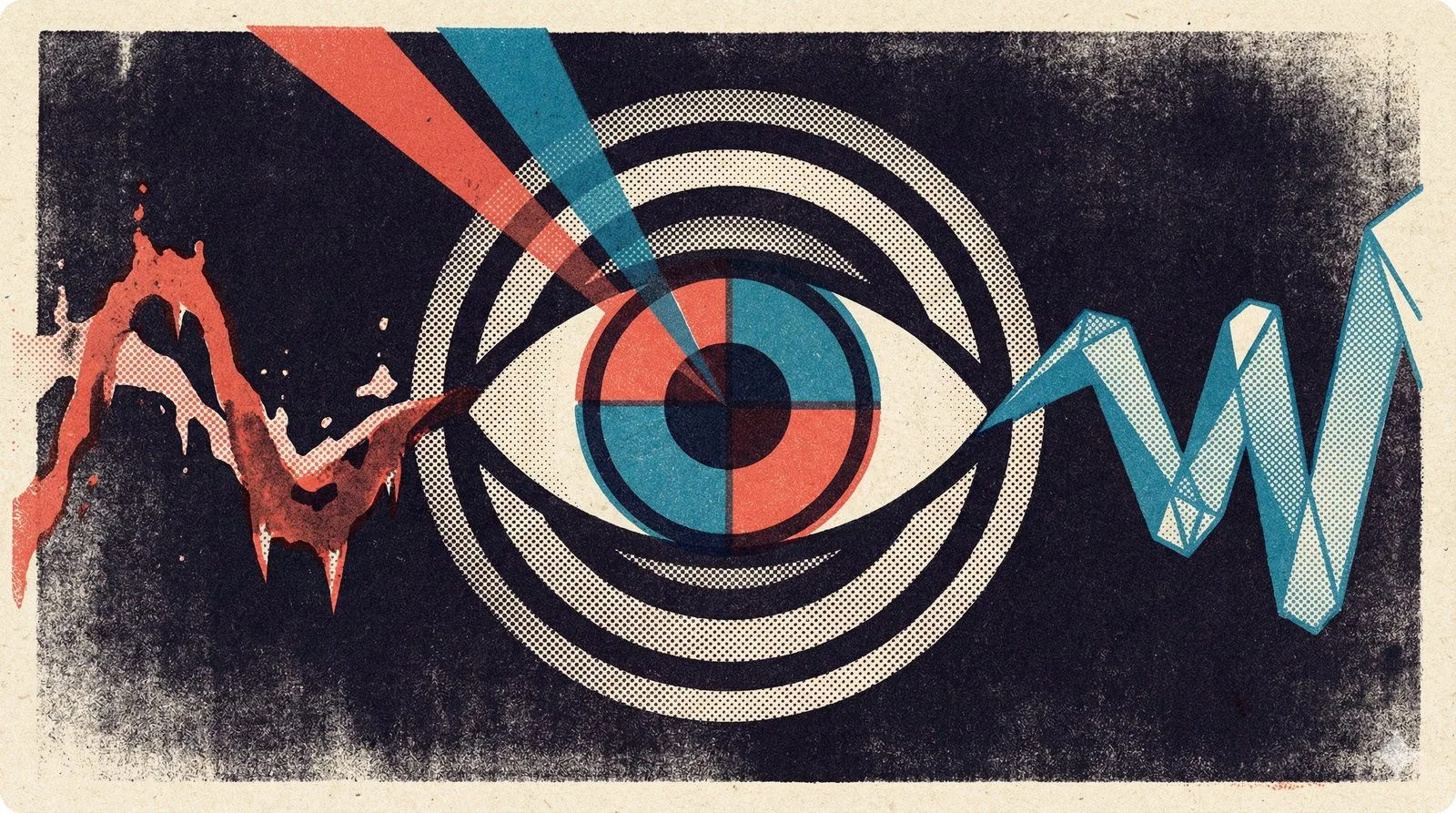
From Spectroradiometers to Agent Herding
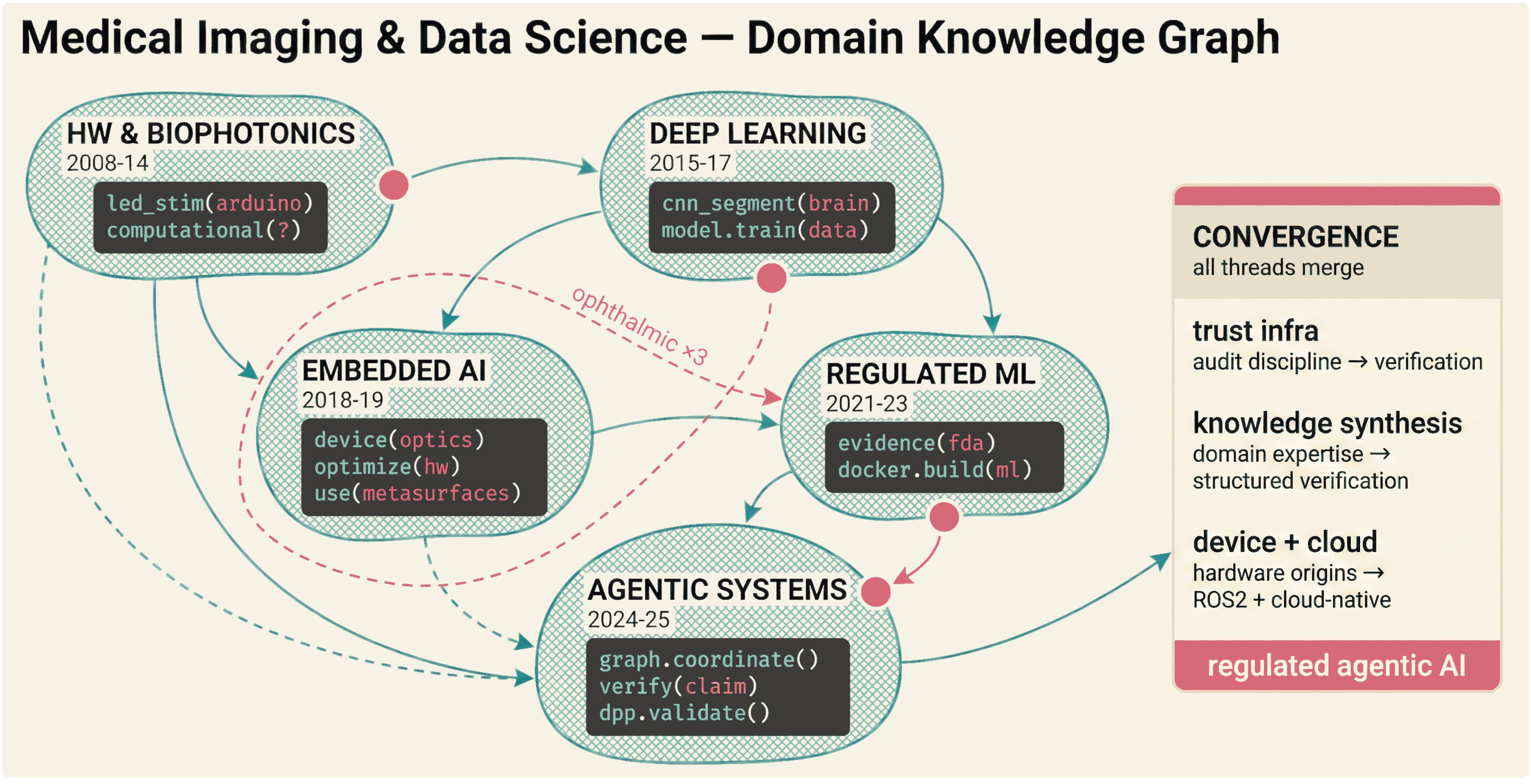
Lighting engineering at Aalto with programming from the start—Matlab image analysis for pupil segmentation during a chronobiology internship in Groningen, then NIF/lighting research (2007–2008) before the PhD. Visual neuroscience doctorate in Lyon (2008–2012): melanopsin modeling, psychophysics, open-source Arduino instrumentation. First deep learning in 2015: CNN vasculature segmentation at Sunnybrook/University of Toronto. Embedded AI for portable ophthalmic devices at SERI. CT hemorrhage detection on NHS records at UCL Queen Square using PyTorch and MONAI.
Two separate computer vision engagements at Silo AI (acquired by AMD)—retinopathy screening and wildlife detection with custom hardware. Then co-building ML infrastructure toward FDA clearance at RetiSpec: hyperspectral retinal imaging for Alzheimer’s biomarkers, MLflow experiment tracking, Docker/AWS reproducibility, traceable evidence chains. Two patents at RetiSpec, one at SERI with Japanese collaborators. The specificity that regulated AI demands—versioned artifacts, documented failure modes, reproducible runs—directly informs how the agentic systems above operate.
PyTorch · MONAI · MLflow · Docker · AWS · FDA & CE · 3 Patents
Patents
Ophthalmic instrumentation patents from RetiSpec—spectral imaging and calibration methods for retinal diagnostics.
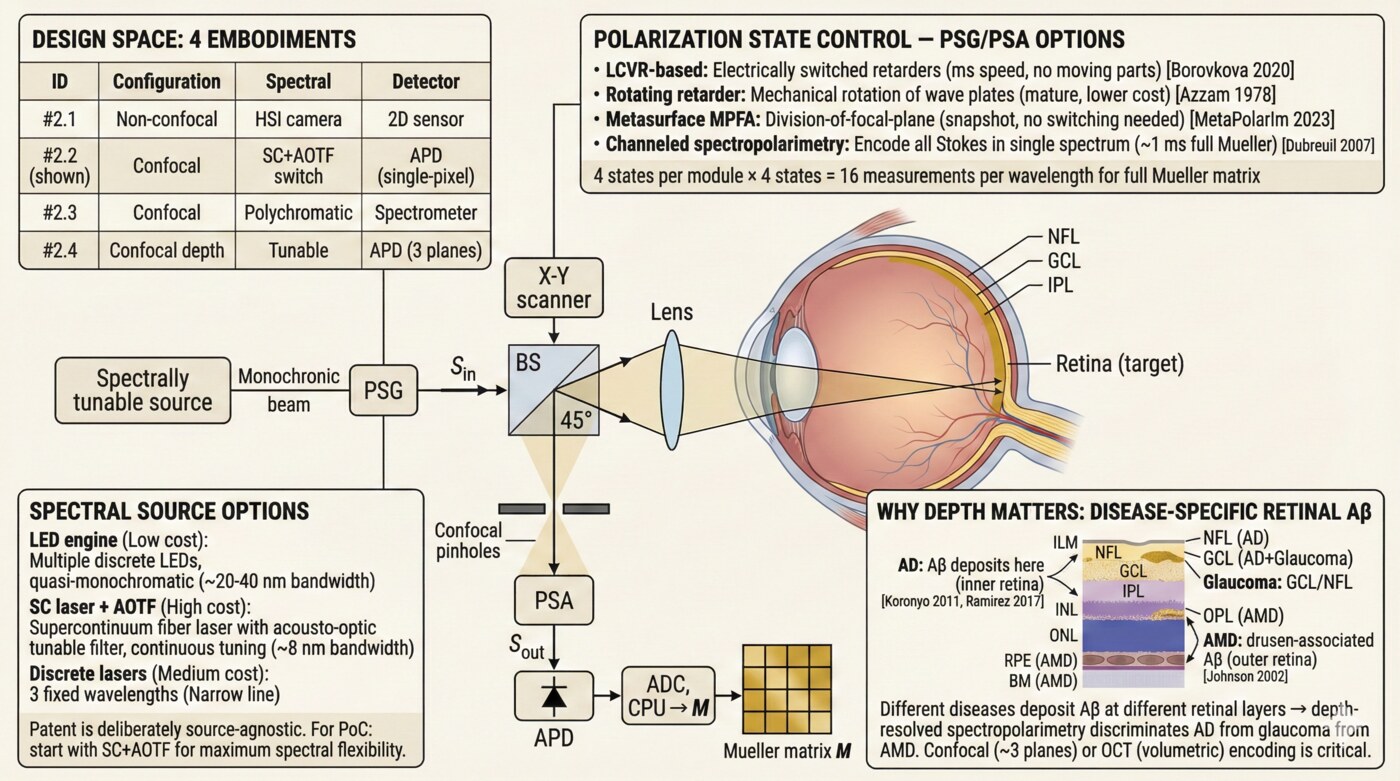
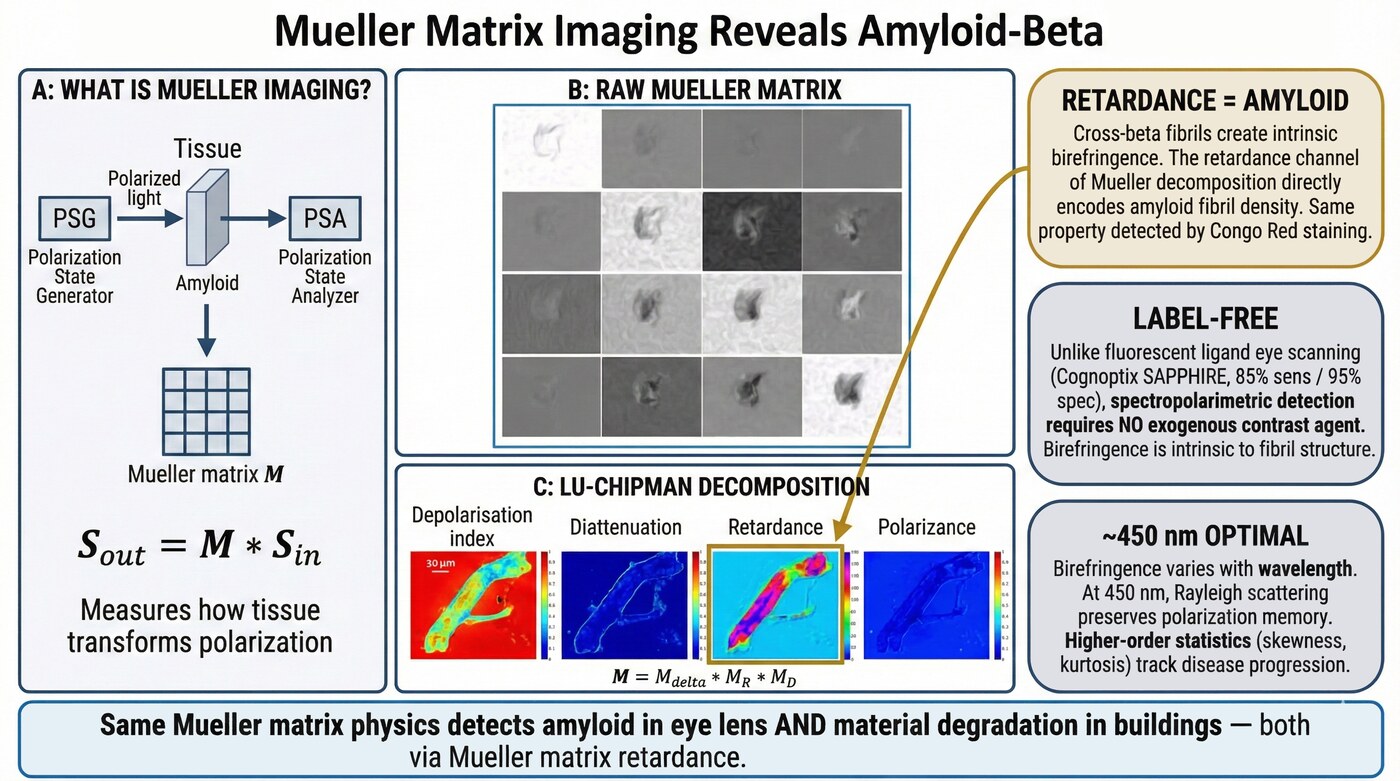
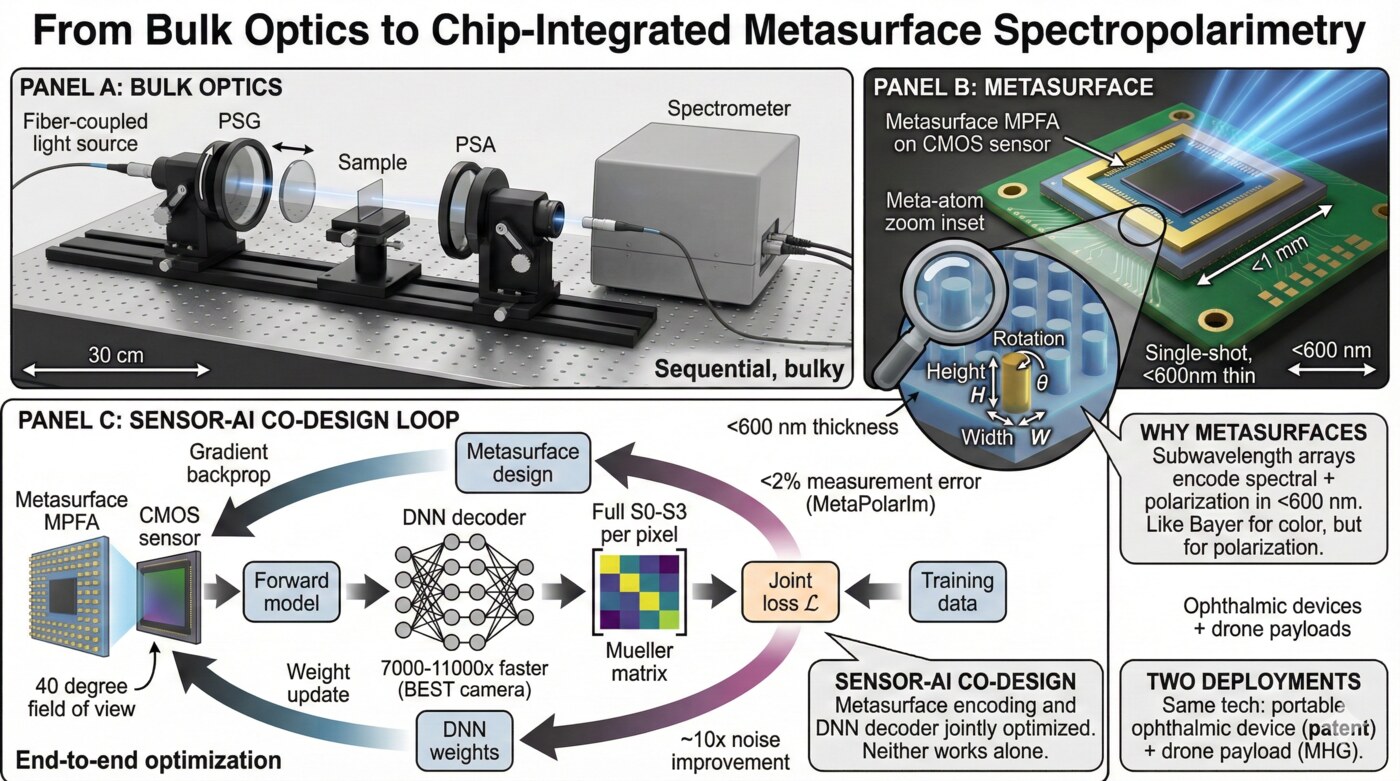
WO2023203380A1
Spectropolarimetric Retinal Amyloid Detection
Confocal spectropolarimetric imaging for retinal amyloid-beta detection. Combines a generic PSG/PSA with spectrally tunable illumination and depth-resolved measurement — different neurodegenerative diseases (AD, glaucoma, AMD) deposit amyloid at different retinal layers, enabling disease discrimination via Mueller matrix retardance.
Click a card to explore · Arrow keys to navigate
The Full Story
Twelve chapters from lighting science to agent herding — the long version of how a lighting engineer ended up building trust infrastructure with LLMs.
Where All the Threads Converge
Mill Hill Garages with ex-CubiCasa CEO: 3DGS, SLAM, multi-agent coordination. Claude Code with self-correcting TDD loops. Then OPEN.MODE as fractional CTO for EU DPP fashion compliance. Both roles: trust infrastructure under regulatory deadlines.
Now in the “API world” — not much PyTorch anymore, focus on managing agents, LLMOps. The measurement discipline from 2003 persists; the tools changed completely.
Claude Code · LangGraph · 3DGS · SLAM · Multi-Agent · LLMOps · EU DPP
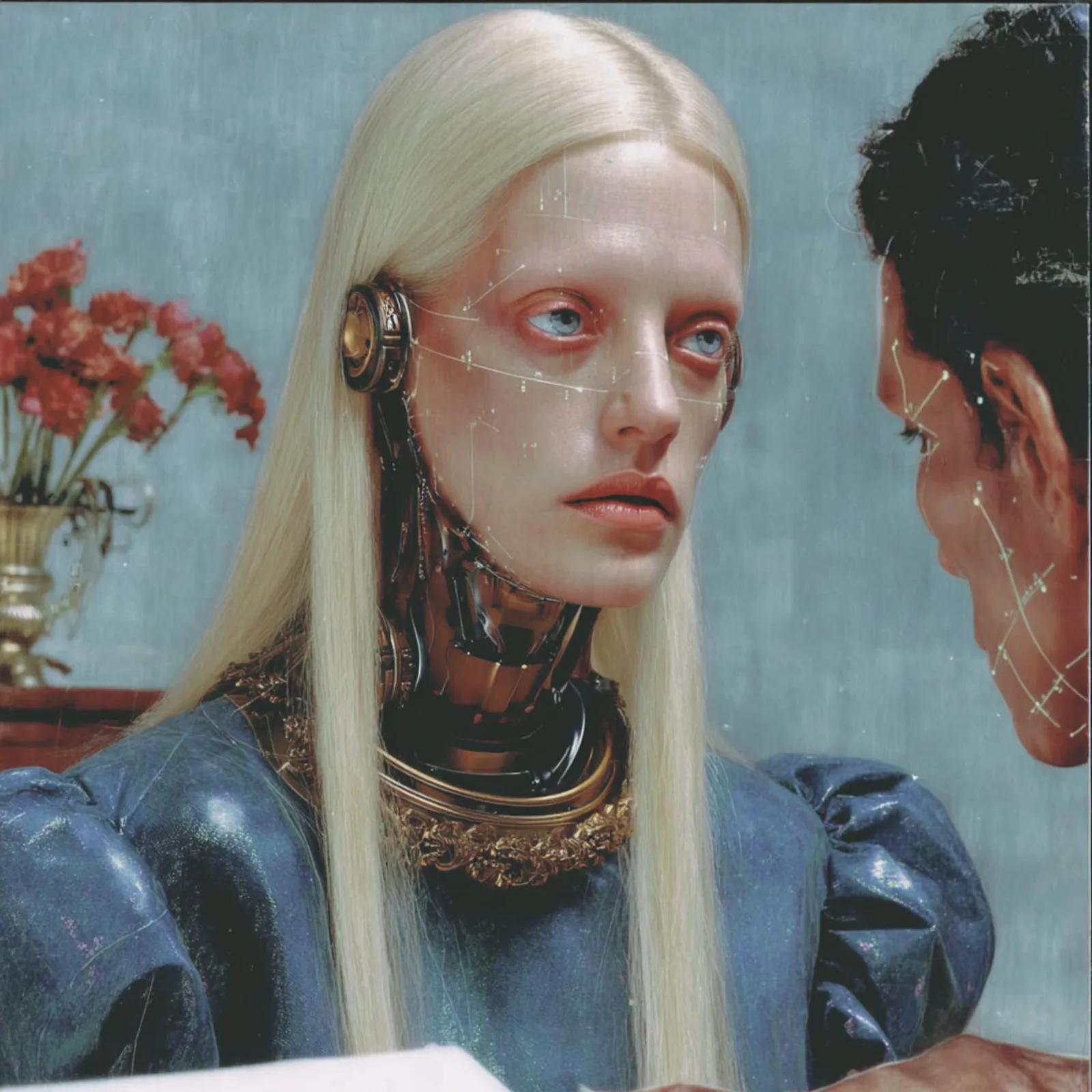
Building the Infrastructure Muscle
Deliberate skill-building period. foundation_PLR (time-series foundation models, Hydra configs, MLflow+DuckDB), minivess_mlops (reproducible 3D vasculature segmentation, W&B sweeps), sci-llm-writer. The boring infrastructure layer that determines whether anything ships.
Hydra · MLflow · DuckDB · W&B · Docker · CI/CD · LLM Tooling

Hyperspectral Windows into Neurodegeneration
Amyloid-beta spectral signatures in retina. Hyperspectral additions to traditional fundus cameras. OOD detection with almost no public benchmarks. First real regulated ML stack — MLflow, Docker, AWS, FDA evidence chains. Two biophotonics papers, two patents.
The audit discipline here directly shaped later agentic verification.
MLflow · Docker · AWS · FDA Evidence Chains · Hyperspectral Imaging · OOD Detection

System-Level Machine Vision
Two three-month projects. DR screening with MONAI/PyTorch — continuing the ophthalmic thread. Fish species detection in Norwegian rivers: underwater imaging, custom lighting design, environmental sensing. CV is system design from photons to predictions, not just model architecture.
PyTorch · MONAI · Underwater Imaging · Lighting Design · System-Level CV

Deep Learning Meets NHS Reality
CT hemorrhage detection at UCL Queen Square, High-Dimensional Neurology group (Dr. Parashkev Nachev at UCL, Dr. M. Jorge Cardoso at KCL — UCL-KCL collaboration). PyTorch and MONAI for ICH detection. NHS data chaos — hospital records don’t behave like clean datasets. Decision curve analysis. Limited agency but valuable exposure to clinical deployment reality.
PyTorch · MONAI · CT Imaging · Decision Curve Analysis · NHS Data
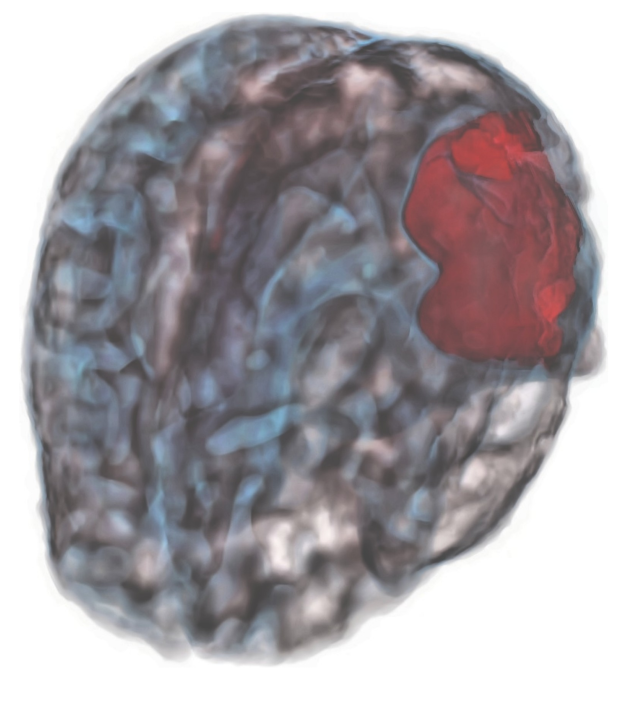
Pose Estimation for Rehabilitation
Virti consulting — MediaPipe, OpenPose, skeletal tracking, IMU and depth cameras. Connected to a genuine precision strength training interest (SportRxiv preprint). Brief but formative: hardware-software pipeline design as miniature system-level thinking.
MediaPipe · OpenPose · Skeletal Tracking · IMU · Depth Cameras
First Ventures and the Ophthalmic Thread
Visulytix (Matlab→Python transition). EF8/Retinata — medical AI bottlenecks aren’t algorithms, they’re data access, clinical partnerships, regulatory navigation. Then SERI in Singapore: embedded DL for a portable pupillometer, shifting from fundus structure to PLR function for glaucoma. 50+ slideware documents. The deepest period of domain-specific technical work.
Python · PyTorch · Embedded DL · Ophthalmic AI · Medical Devices · EF8

The Pivot
Kullervo Hynynen lab at Sunnybrook for focused ultrasound neuromodulation — blood-brain barrier opening, corticothalamic targeting. Then encountering deep learning. The CNN vasculature segmentation paper: pioneering-era DL, TensorFlow didn’t exist yet, no 3D conv ops in frameworks, hence the custom CNN with FFT optimization from the NeurIPS 2015 paper. Two-photon microscopy, calcium indicators, vessel tracking.
Everything before = measurement science. Everything after = learned representations beat hand-crafted features.
Theano · Custom CNN · FFT Optimization · Two-Photon Microscopy · FUS Neuromodulation
Open-Source Hardware for Light Research
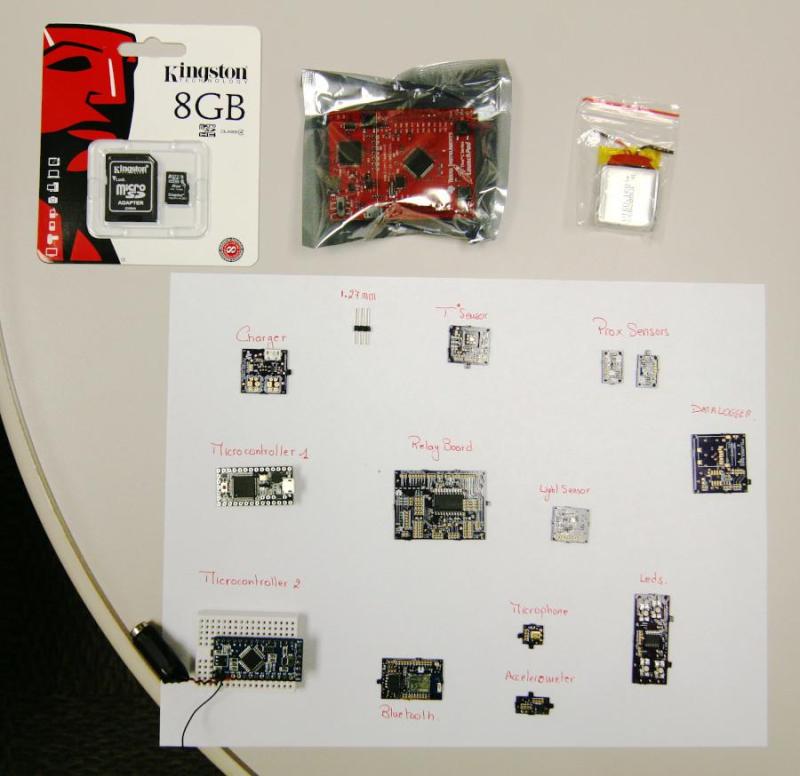
Lighting Research Center at RPI. Last position on the melanopsin thread — honestly a transition period, using NIF research as the excuse to live in the US while building Arduino, EagleCAD, embedded, and cloud skills. Open-source light logger. EEG alertness studies. Photoreceptor action spectra modeling.
Skills built here mattered more than the papers.
Arduino · EagleCAD · EEG · Embedded Systems · Cloud · Action Spectra Modeling
Adaptive Optics and Photoreceptor Function
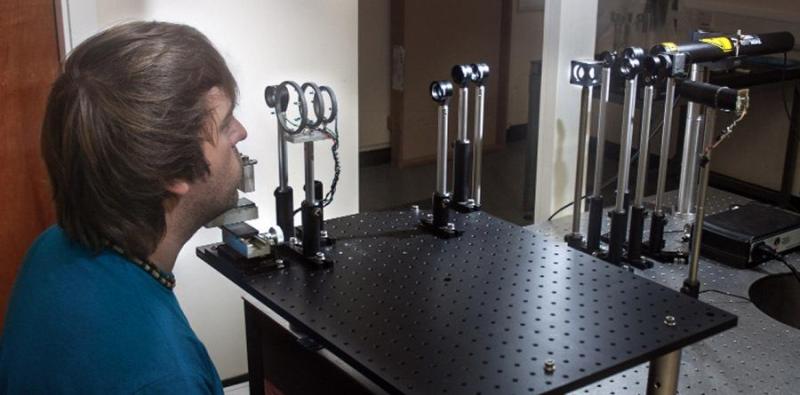
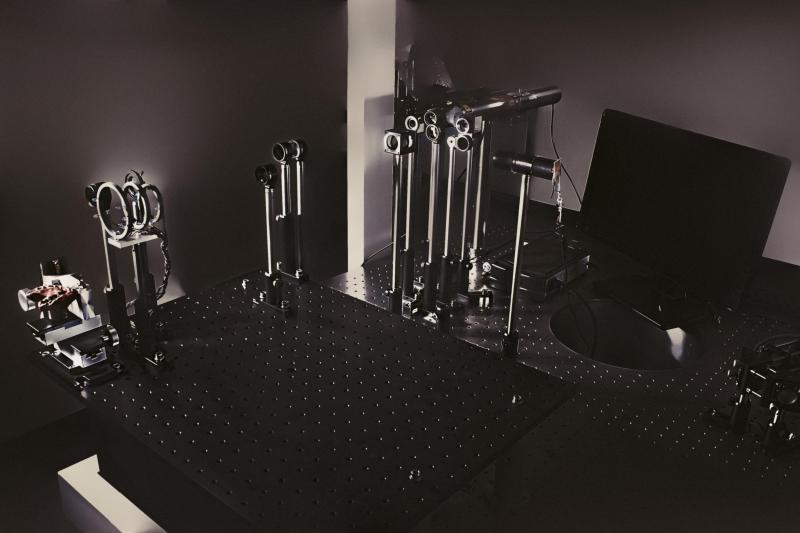
Short period with Brian Vohnsen at UCD. Exploring adaptive optics — wavefront correction for single-photoreceptor-level imaging — for functional testing of NIF photoreceptor contributions. Remained conceptual but seeded a persistent interest in high-resolution optics combined with functional measurements.
Adaptive Optics · Wavefront Correction · Photoreceptor Imaging
Melanopsin, Modeling, and the Arduino Paper
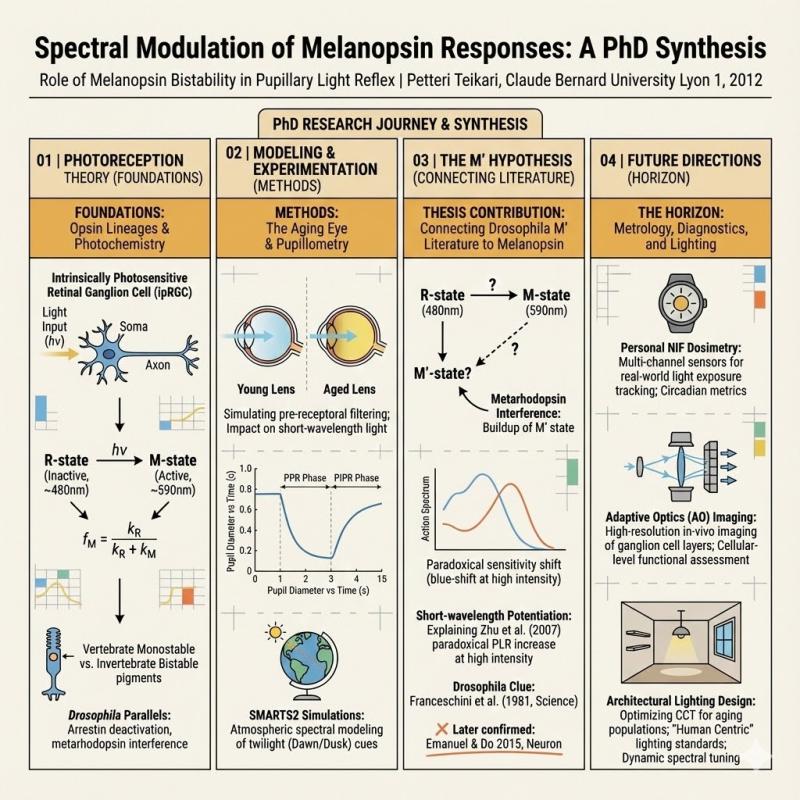
EU EUCLOCK initiative. Thesis at the intersection of photoreception modeling, psychophysics, and instrumentation. Connected Drosophila M′ photoproduct literature to mammalian melanopsin — proposed a putative intermediate scheme for paradoxical potentiation. Directionally correct, confirmed by others three years later. Deliberate choice to study NIF biology scientifically instead of following the commercial “blue light wellness” narrative that emerged post-ipRGC discovery (Berson et al. 2002).
The practical output that traveled furthest: Arduino LED stimulator paper — open-source hardware democratizing what previously required expensive commercial equipment.
Arduino · Matlab · Psychophysics · Photoreception Modeling · Open-Source Hardware
Lighting Science and Chronobiology Roots
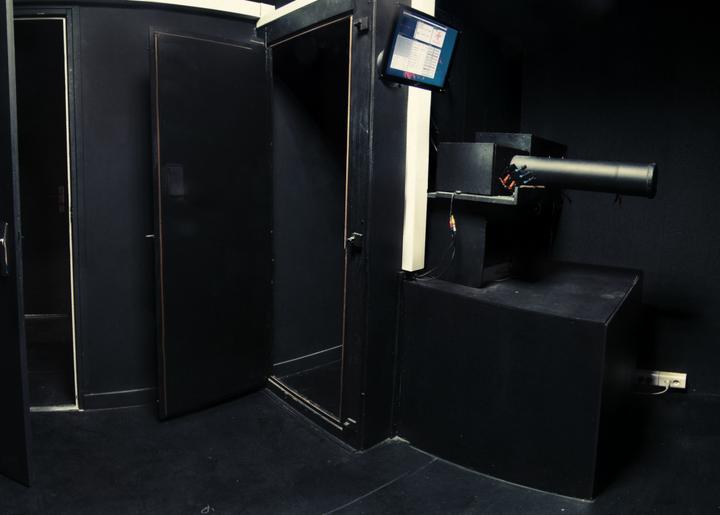
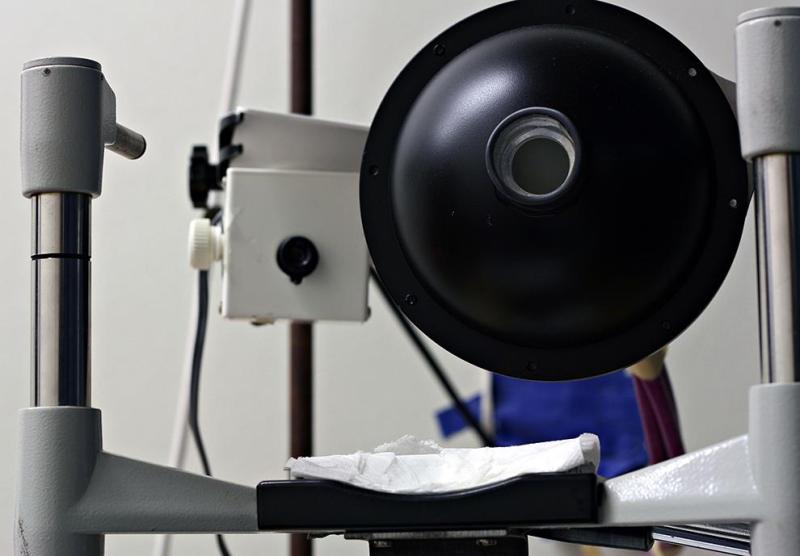
Integrated MSc at Aalto/TKK — illumination engineering, instrumentation and metrology, biomedical engineering, cognitive neuroscience. Thesis “Biological Effects of Light” graded 5/5. Erasmus year in Barcelona was the entry to international life. A summer internship with chronobiologists in Groningen — designing and running light-exposure experiments (Ganzfeld stimuli, melatonin saliva sampling, pupillometry), writing Matlab image analysis for pupil segmentation. Seventy extra ECTS beyond the degree requirements, effectively Licentiate level.
NIF/lighting research at Aalto Lighting Unit (2007–2008) led directly to the PhD topic. Programming and experiment design from the start — not only hardware. No ML yet, but the combination of spectral measurement and biological response quantification proved more durable than any single technique.
Matlab · LabView · Spectroradiometry · Illumination Engineering · Experiment Design
About
Helsinki → Barcelona → Groningen → Lyon → Warsaw → Dublin → Troy, NY → Toronto → London → Singapore → Berlin → Nomad year of 2025 → ?
The through-line across domains—optics, neuroscience, medical imaging, regulated AI, agentic systems—is the same question: what does it take to trust the output? Whether designing open-source Arduino instrumentation at RPI or provenance DAGs for music rights, the answer involves the same disciplines: measurement, provenance, failure modes, human review.
The frontend work here was built with Claude Code—an ML/backend engineer learning the UI layer through agentic pair-programming. The interactions are real; the backends are mocked. The goal was to see how far deliberate architecture carries when the implementation is AI-assisted.